The legal review killed fear as a villain. It didn't kill fear as a craft. Six concepts that open on dread and land on proof — the scare pointed at the unknown, at genre, or at ourselves, never at your plate. Every claim is the test, never the outcome.
The Phus Phus Gang failed because it made pesticide a villain and implied your food is poisoned — that's what FSSAI calls misleading. Fear itself is fair game. The trick is where you point it, and where it lands.
We turned the lawyer's objections into a creative filter. If an idea breaks one of these, it doesn't ship.
The legal call did not ban fear — it banned the kind that misleads. The room's own conclusion was to use fear as a hook that resolves into knowledge. Each idea below opens on dread and lands on proof, with the fear pointed somewhere defensible.
How the fear stays legal: never imply other food is poisoned, never show spray on food, never claim "zero" — direct the dread at the unknown, at genre, or at ourselves, then resolve it with the 230+ checks and a real lab report. We've rated each by how boldly it pushes.
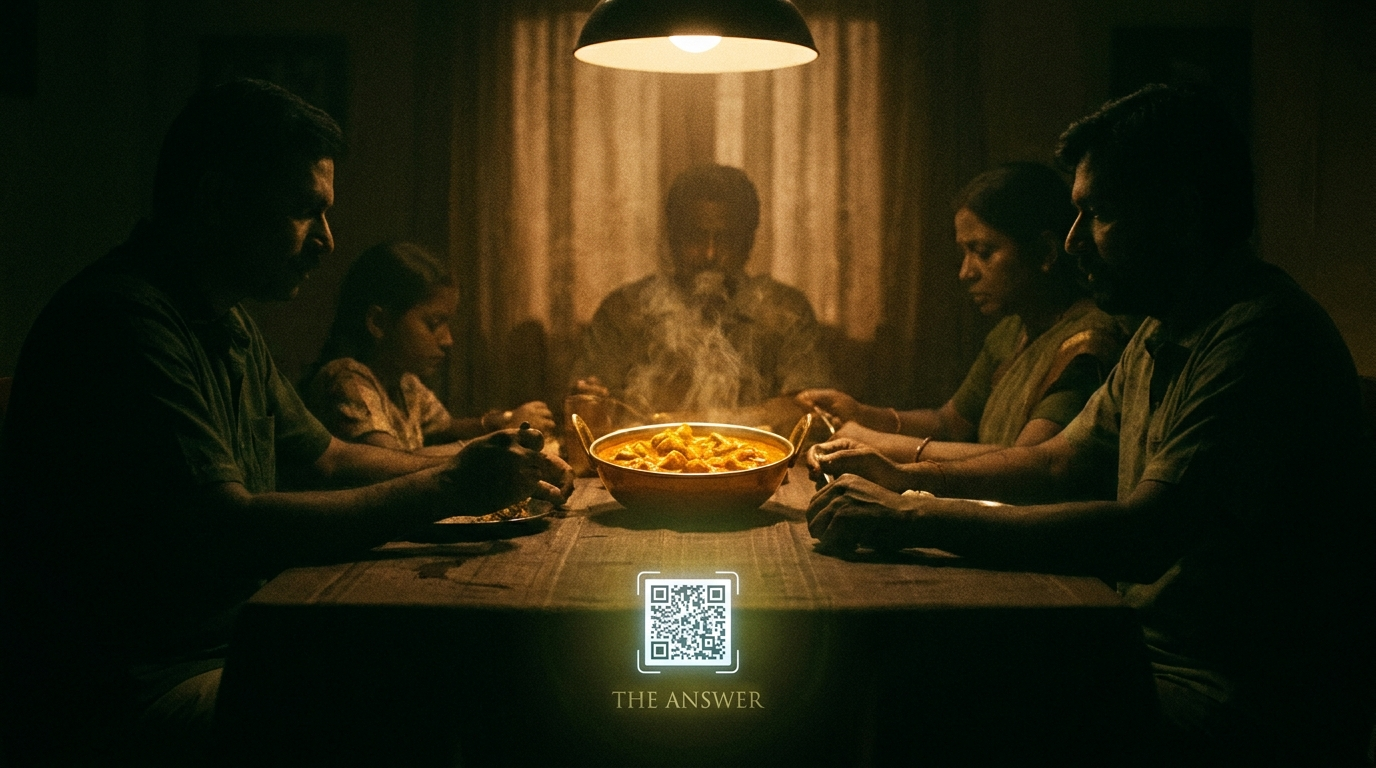
The suspense film about the unknown
Reference still
A tense, cinematic film that plays on the fear of the unknown — not "your food is poisoned," but "how much do you actually know about what's on your plate?" The dread is uncertainty, and the antidote arrives on screen: a QR code that opens that batch's full lab report.
You check the expiry. You check the price. The film asks the one thing you never check — and then hands you the proof, turning fear of the unknown into the relief of knowing.
Ominous close-ups. "Tumne aaj jo khaaya… kitna jaante ho?" No brand.
The answer isn't fear, it's knowing — scan, and see everything.
The real lab report, and how to read it — within MRL, in full.
Suspense/thriller aesthetics travel hard, and the cliffhanger "do you actually know?" drives the scan.
It poses a knowledge question, never asserts danger, and resolves into real proof. The boldest of the three — runs with a "within MRL, here's the report" disclaimer and careful, non-alarmist execution.
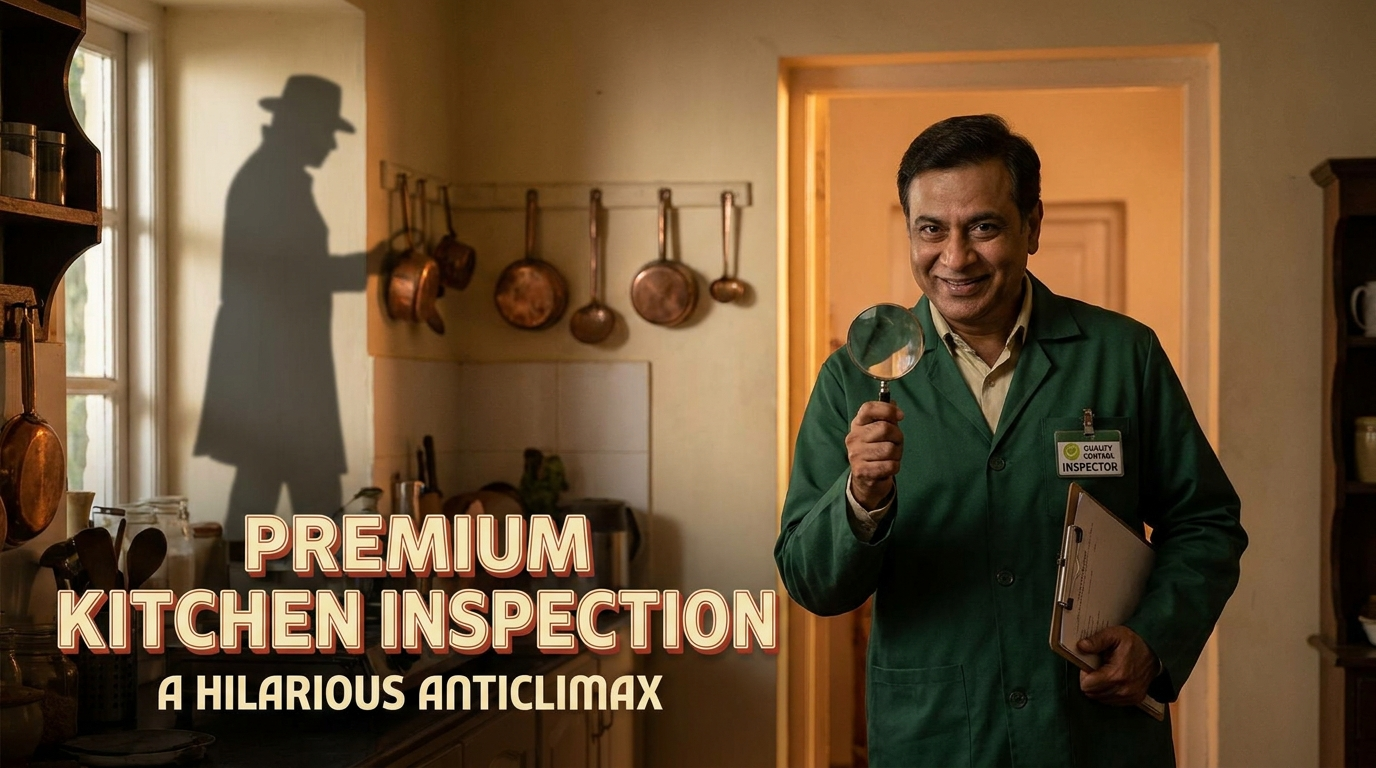
A horror trailer with a wholesome twist
▶ Hover to play
It builds exactly like a horror film — a family at dinner, something lurking in the dark, the music swelling toward a scare. Then the jump-cut reveal is anticlimactically wholesome: the "monster" is an obsessive Honest Farms inspector who has been checking everything, all night.
Pure horror grammar, fake threat, the joke on us. The genre does the virality; the reveal does the brand.
A straight horror teaser. Something's in the kitchen. No brand.
The "monster" is our inspector and 230+ checks.
The inspector stays in character to explain what he actually checks.
Horror parody and jump-scare reveals are built for stitches and "wait for it" comment bait.
The scare is theatrical genre, not a food-danger claim — self-deprecating, no competitor, nothing misleading.
The brand's one fear
Reference still
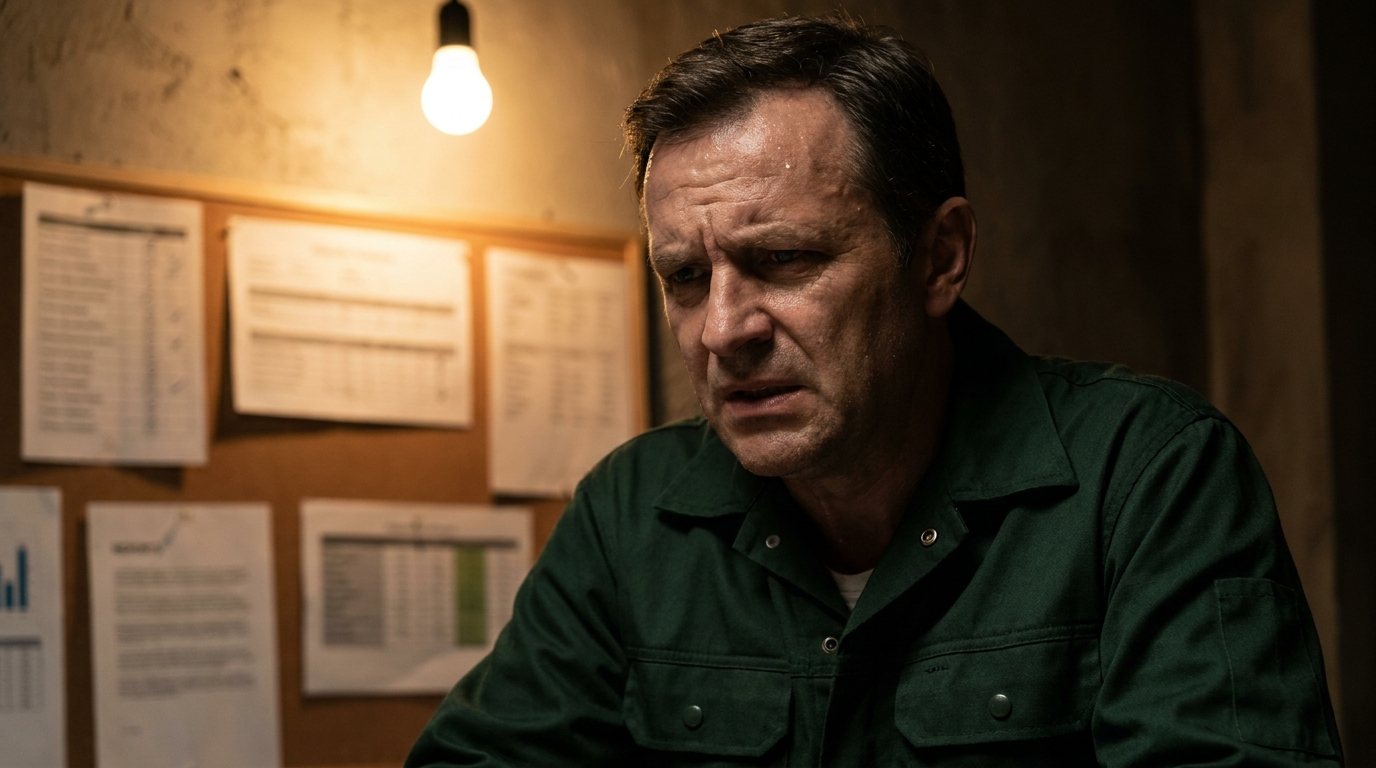
Flip the fear onto the brand. A tense, dimly lit confessional where Honest Farms admits the one thing it is genuinely scared of — "ki kuch chhoot na jaaye" (that something slips through) — and that fear is the reason it runs 230+ checks on every batch.
The only one afraid here is us. It reframes obsessive testing as the brand's anxiety on your behalf — vulnerable, warm, and completely unattackable.
A nervous confession in the dark. Who's talking? No context.
It's Honest Farms — the fear is why we over-test.
The checks that fear gave birth to, shown one by one.
Vulnerability and confession formats are highly shareable — "the brand that's scared of failing you" is quotable and warm.
The fear is entirely self-directed; no implication anyone else is unsafe. The safest way to use fear at all.
We put our own food on trial
Reference still
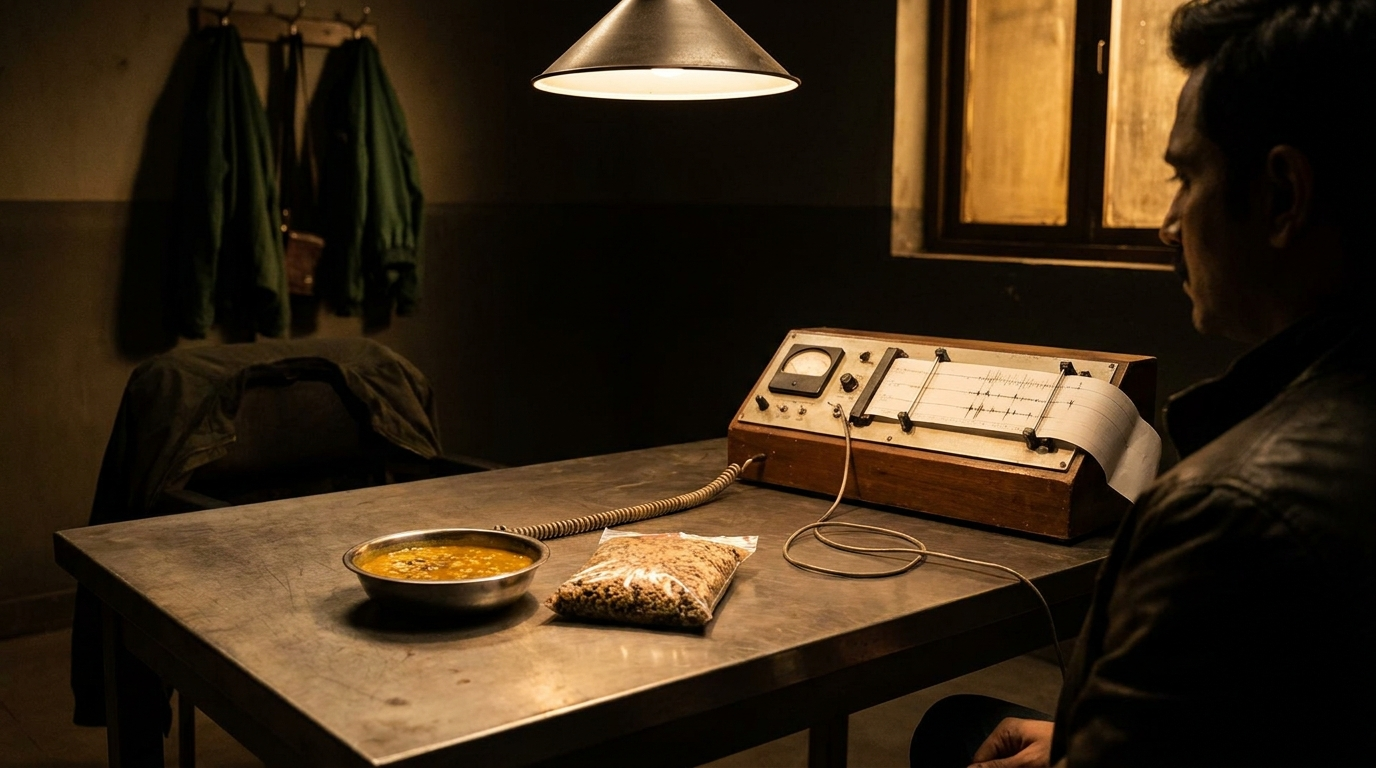
A tense interrogation. A harsh overhead light, a steel table, and our own product wired to a lie-detector. We grill it — "anything above limit? anything hidden?" — and the needle stays dead flat. It passes every question because it has nothing to hide.
The dread is pure crime-thriller; the suspect is us. We'd rather sweat our own batch under the lamp than ask you to take our word for it.
A polygraph needle, a whispered question, a flickering light. No brand.
The "suspect" is Honest Farms' own dal — and it clears every question.
Each question maps to a real check category; QR opens the "confession" — the lab report.
Interrogation/courtroom tension is gripping, and "a brand puts itself on a lie-detector" is a genuinely novel hook.
We interrogate our own product; the tension is theatrical and the answers are provable. No competitor, no danger claim.
Found footage from the lab at 3 a.m.
▶ Hover to play
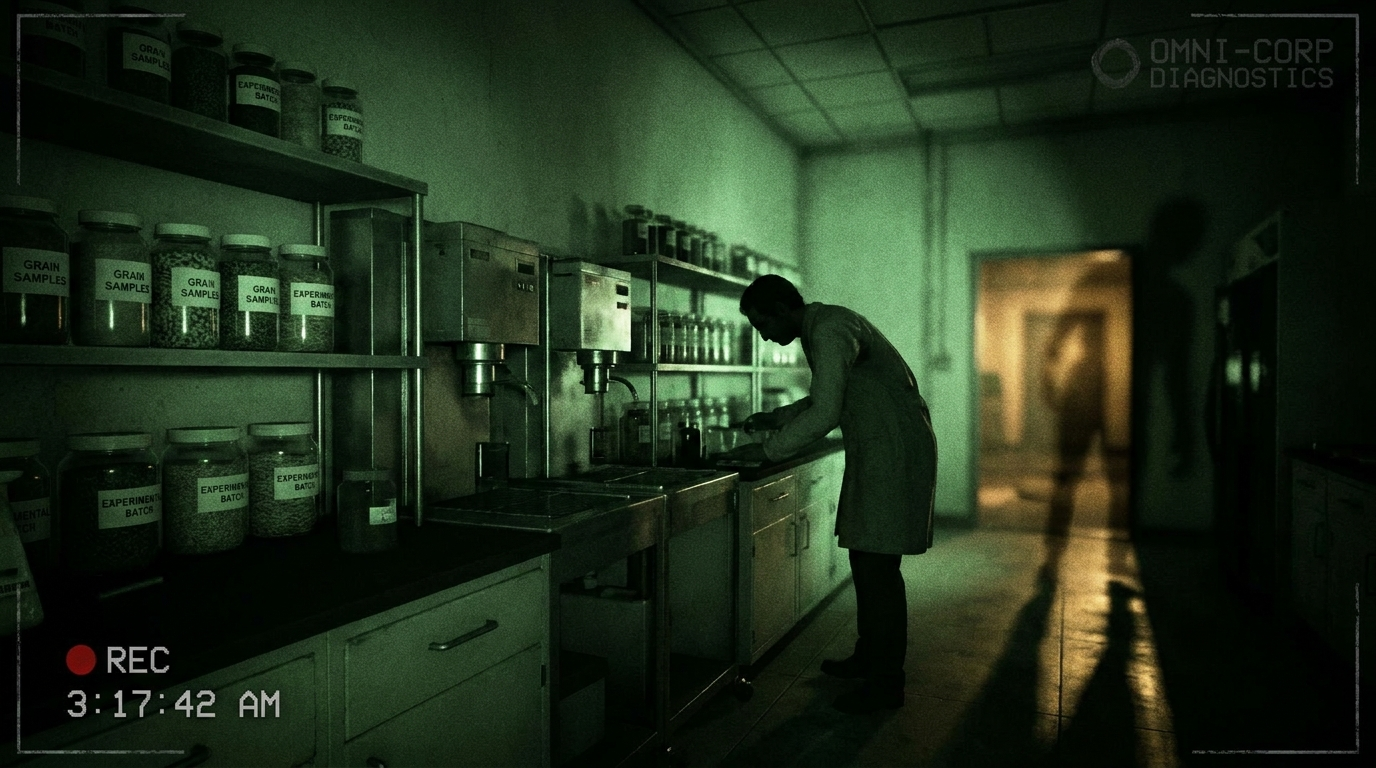
Shot like found-footage horror — grainy night-vision, a timestamp ticking in the corner, something stirring in the dark lab. The jump never comes from a monster. It comes from the QC team, still there at 3 a.m., because a batch hasn't cleared all 230 checks and they can't go home.
The scariest thing in the building is how seriously we take this. Genre horror, fake threat, the dread aimed squarely at our own obsession.
Creepy night-vision lab clips. "Who's still in here?" No brand.
It's the QC team finishing the 230+ checks in the dark.
What the 3 a.m. checks actually are, shown by the people doing them.
Found-footage and CCTV horror is one of the most stitched, remixed formats online.
Theatrical genre horror where the "threat" is our own diligence. No food-danger claim, no competitor.
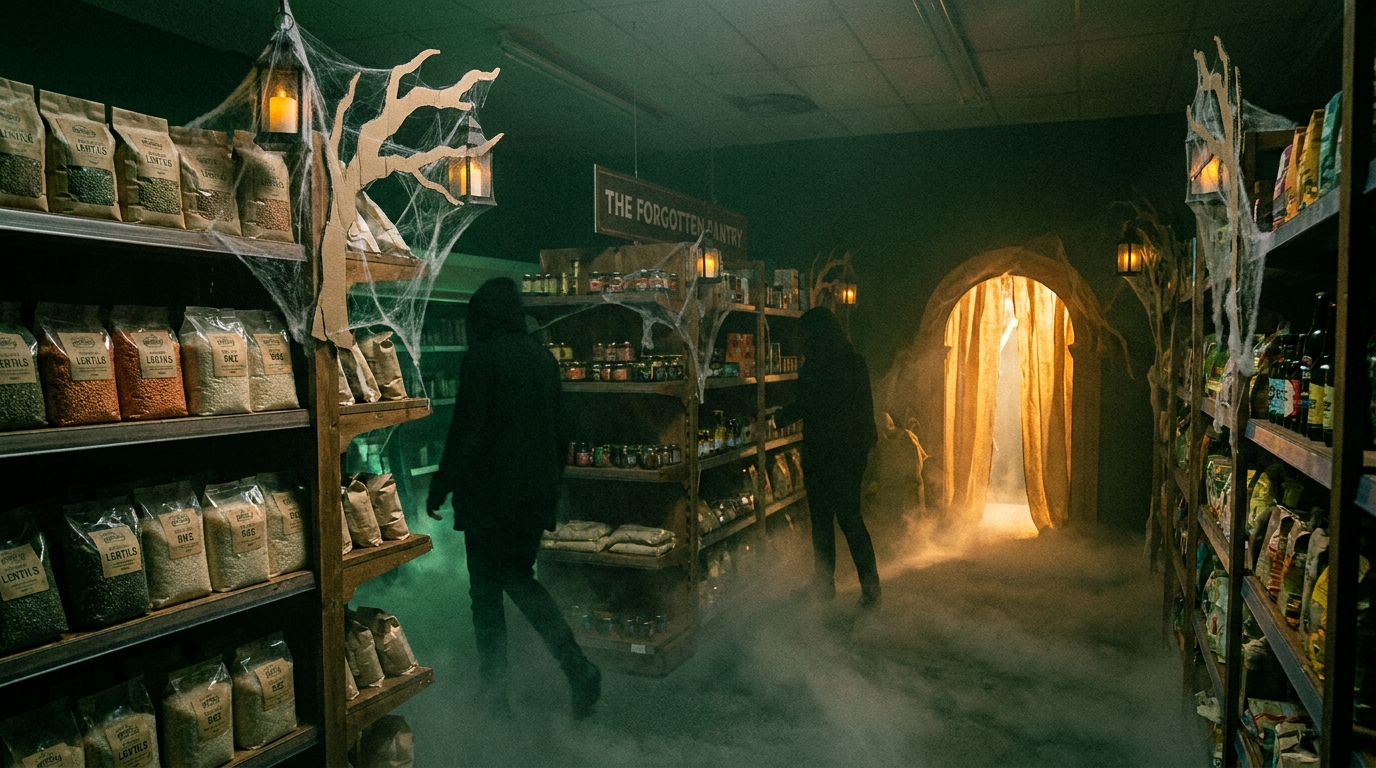
A haunted supermarket aisle
Reference still
An offline activation: a mall aisle staged as a short haunted-house walkthrough — fog, shadows, unsettling sounds between the shelves. At the end, the "reveal room" floods with warm light into the Honest Farms proof zone, where the only thing that was ever lurking is a clipboard and 230+ checks.
People film themselves spooked, then delighted — built-in shareable footage, and a fear-to-relief story the offline team can stage in any mall.
Cryptic "Aisle 7 is haunted" posters and city teasers.
Walk through — the scare opens into the bright proof zone.
The proof wall: QR, the lab report, the full 230+ checklist.
Haunted-house reaction footage plus a relief twist is high-share — and it hands the offline/event vertical a ready-made stunt.
Experiential genre fear; the reveal is pure proof and positivity. Nothing misleading, no competitor.
All six anchor on 230+ checks and need no competitor to exist. The split below is by how safely each pushes the fear.
Horror-trailer parody with a wholesome twist. The genre does the reach; the joke's on us. Lead the buzz phase here.
Found-footage horror — the most stitched format online — with the dread aimed at our own 3 a.m. obsession.
The brand's self-directed confession. The safest way to use fear at all, and a long-term equity piece.
The bold swing: Joh Dikhta Nahi is the highest-virality idea here, but the only one that points dread near the consumer's plate — run it with a within-MRL disclaimer and legal sign-off before producing.